Choosing a worktop is a balance between how it looks, how much looking after it needs and what it costs. There is no single right answer. A busy family kitchen in Royal Wootton Bassett needs something different from a weekend cottage in Marlborough. Here is how the four materials we fit compare in real life.
Quartz worktops
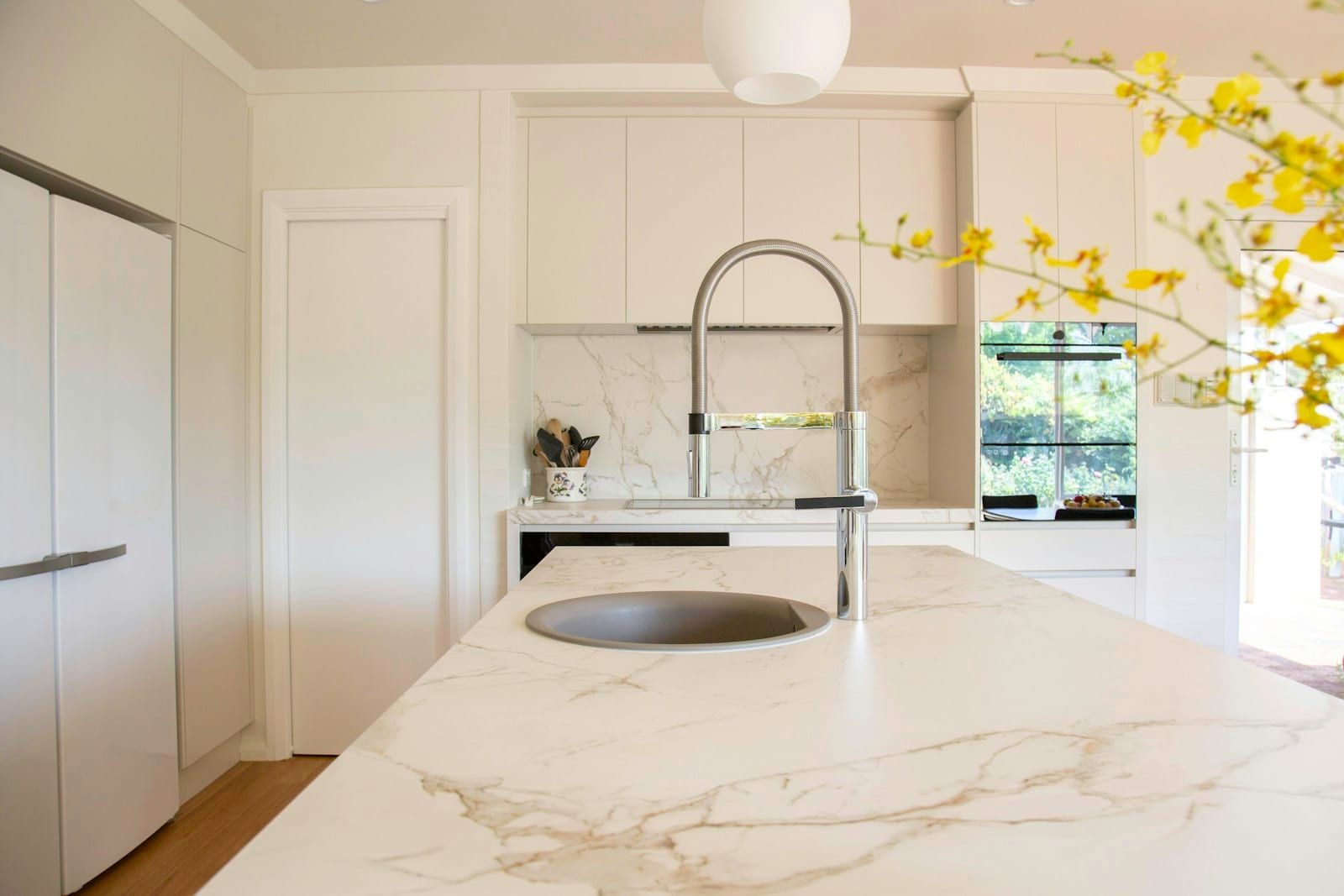
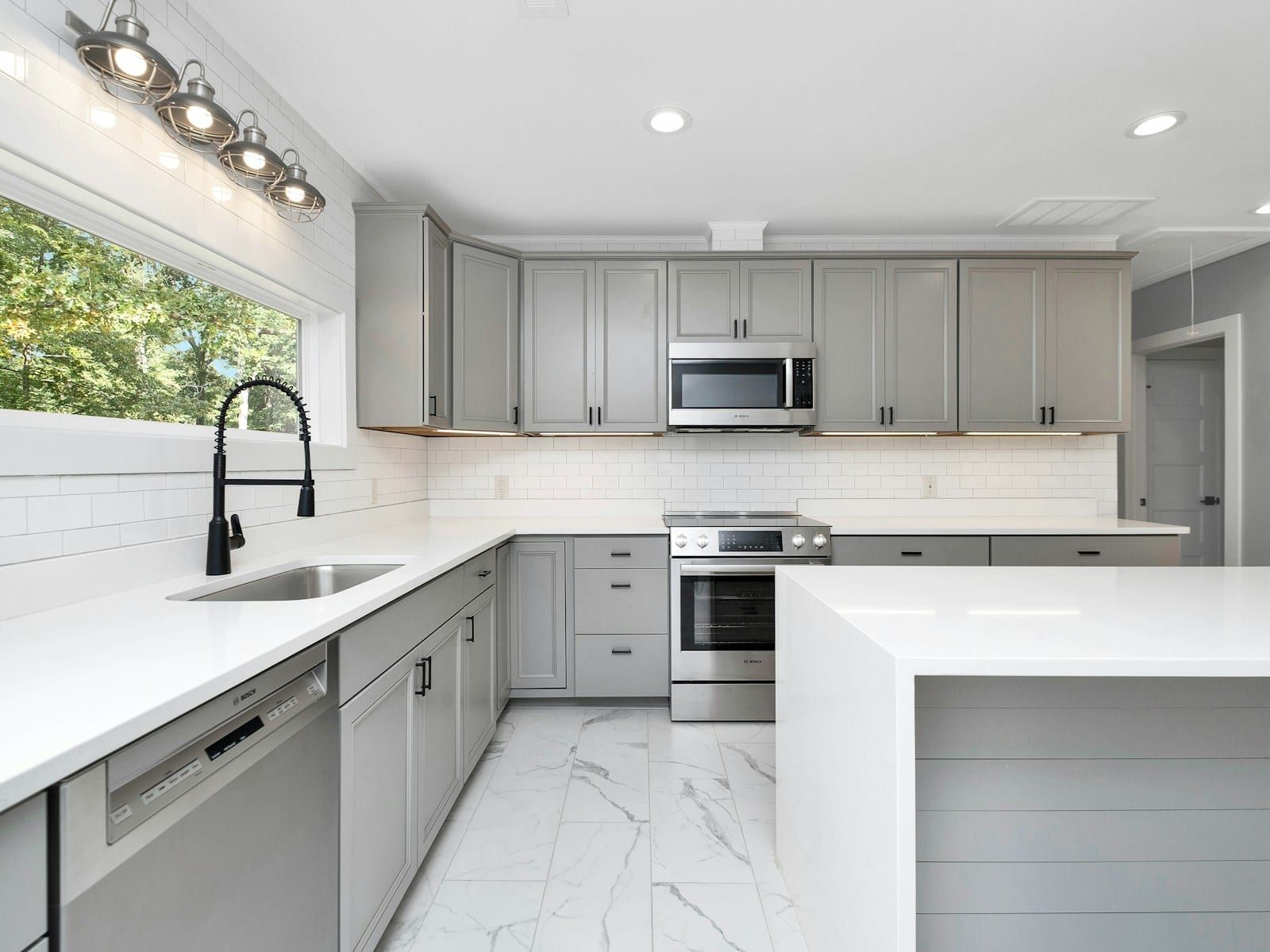
Quartz (sometimes called engineered stone) is around 90% crushed quartz bound with resin. It is our most popular choice because it is hard-wearing, non-porous and needs no sealing.
- Good for: busy kitchens, families, anyone who wants a clean, consistent look.
- Watch out for: very hot pans straight from the hob. Use a trivet, because the resin can scorch.
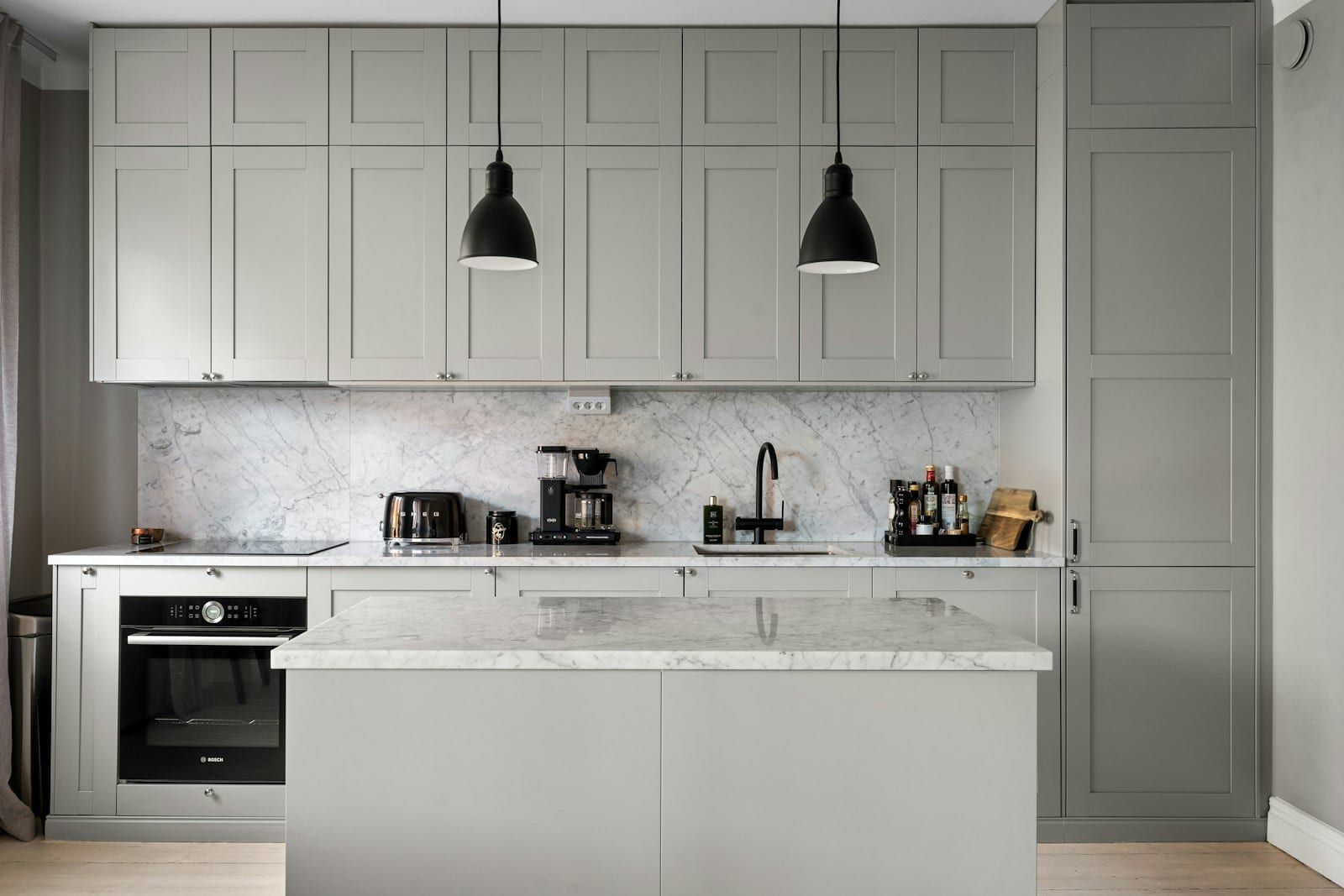
- Finishes: polished, honed or textured, in plain colours or with marble-style veining.
- Typical thickness: 20mm or 30mm, with options for mitred thicker edges on islands.
Quartz lets you have undermount sinks with routed drainer grooves cut straight into the surface, and matching upstands or full-height splashbacks behind the hob.
Granite worktops
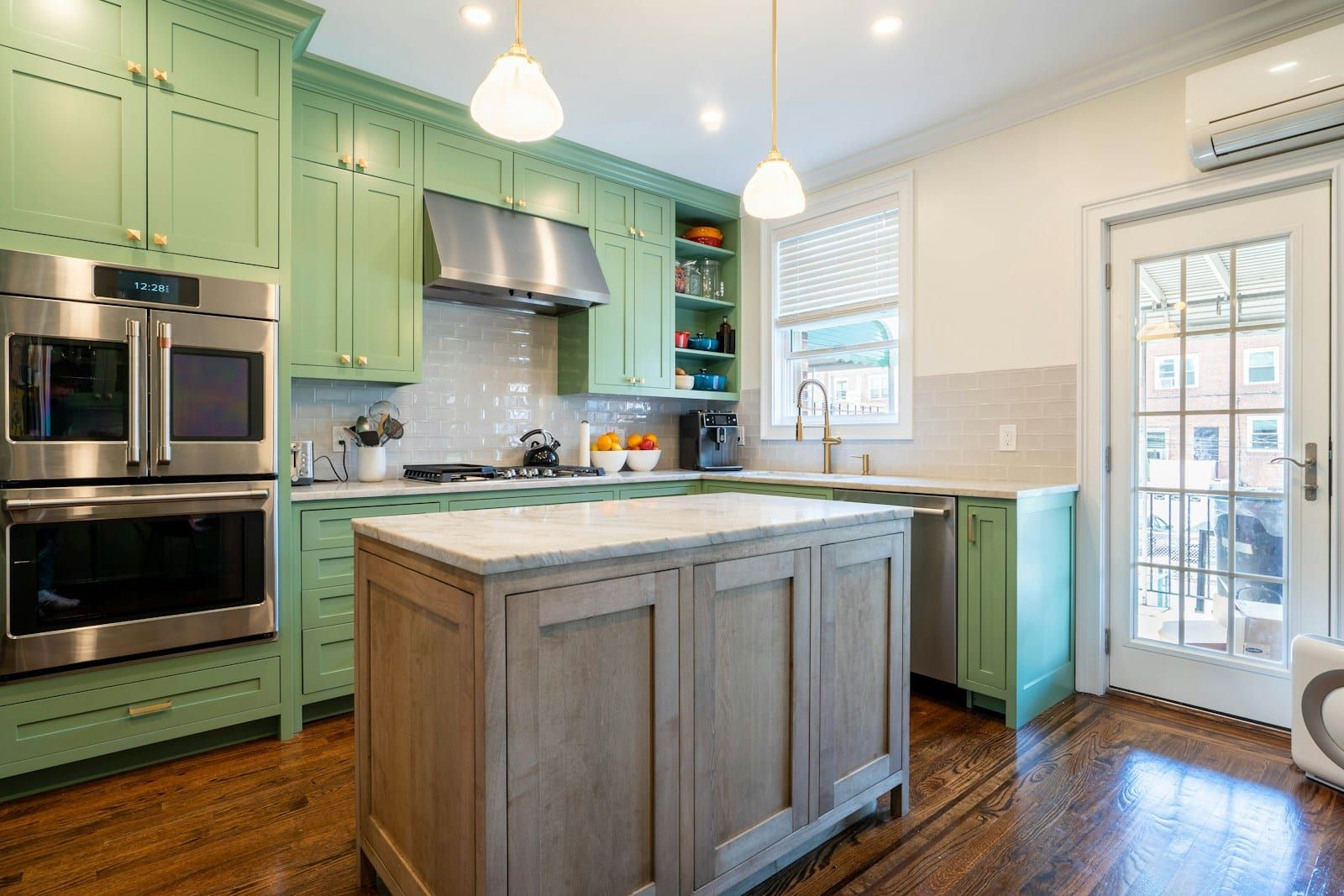
Granite is natural stone, quarried and cut into slabs. Every piece is different, which is exactly why some people love it.
- Good for: serious cooks, heat resistance, a natural look with depth.
- Watch out for: some lighter granites are more porous and benefit from occasional sealing. We advise per stone.
- Finishes: polished or leathered (a soft, textured finish that hides fingerprints).
Granite works particularly well with traditional and in-frame kitchens, but a dark, leathered granite also looks sharp against a handleless design.
Laminate worktops
Modern laminates are a long way from the curling, chipped tops of the 1990s. Today’s better ranges have convincing stone and wood textures, square edges and moisture-resistant cores.
- Good for: keeping the budget under control, rentals, utility rooms.
- Watch out for: hot pans and knives directly on the surface, and joints near the sink. We use sealed joints and position them away from wet areas where we can.
- Fitting: cut and fitted by our team on the same day as the units, so there is no wait for templating.
Solid wood worktops
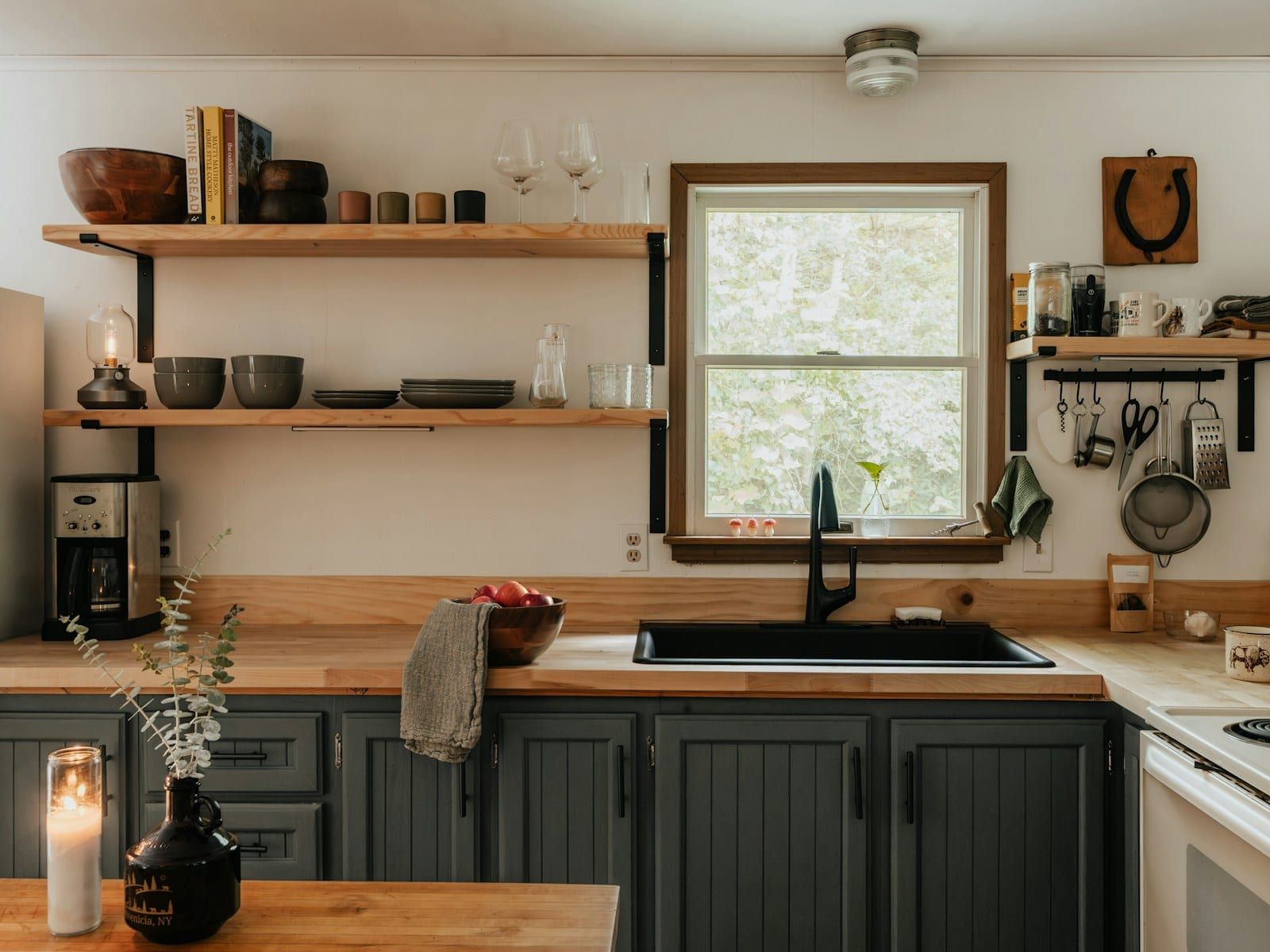
Oak, walnut and iroko bring warmth that no other material can. They age beautifully and can be sanded back and re-oiled to look new again.
- Good for: period homes, cottages, islands, and anyone who enjoys a material with character.
- Watch out for: standing water and heat. Wood needs oiling regularly, especially in the first year.
- Our tip: wood on an island with stone on the sink run gives you the warmth without the maintenance worry where it gets wettest.
Worktop price guide
Prices depend on the size and shape of your kitchen, the number of cut-outs and the edge profile. As a rough guide for a medium kitchen, supplied and fitted:
| Material |
Typical cost |
| Laminate |
£900 – £1,800 |
| Solid oak |
£1,800 – £3,200 |
| Quartz |
£3,000 – £6,000 |
| Granite |
£3,200 – £6,500 |
Upstands, full-height splashbacks, drainer grooves and thicker edges add to the stone price. Your quote lists each one separately so you can choose.
How we fit worktops
For laminate and wood, our fitters measure, cut and join the tops on site as part of the kitchen installation. Joints are clamped, sealed and positioned to avoid the sink wherever possible.
For quartz and granite, a specialist templater visits once your units are fixed and level. They create a precise template including the sink, hob and any wall that isn’t straight, which is most walls in an older Swindon house. The slabs are cut and polished, then fitted about a week later, sealed and checked.
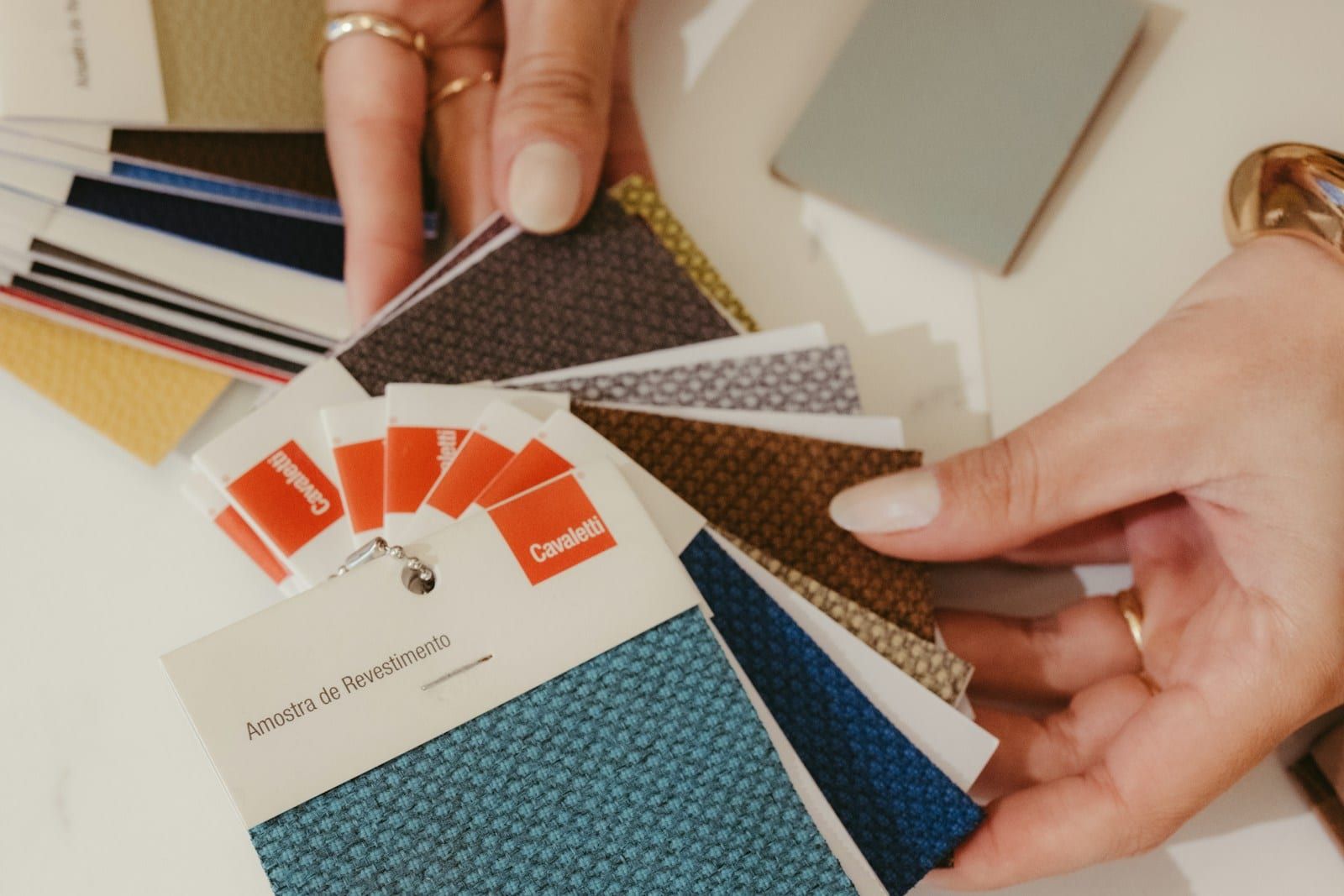
Not sure where to start? Bring your questions to a free kitchen design visit and we’ll put samples side by side in your own light.